
Four fintech firms share £200,000 to help develop ‘responsible’ AI

“The tangible impact of what FRIL participants are building goes beyond the technology” – Eleanor Shaw, University of Strathclyde
Four fintech ventures have been awarded a total of £200,000 to develop technology that helps financial and professional services firms adopt artificial intelligence (AI) responsibly.
The grant funding has been awarded through the Financial Regulation Innovation Lab (FRIL), a collaboration between FinTech Scotland and the University of Strathclyde. Since launching in 2023, FRIL has supported 120 financial technology - fintech - businesses and awarded a total of £1.35 million in grants to 27 companies.
The latest awardees - Amplified Global, NestEgg, Verifoxx and Finspector - have each received £50,000 and were selected after a six-week “innovation challenge” where 14 participants worked directly with 13 global financial and professional services firms - Atos, Baillie Gifford, Barclays, BlackRock, CMS, Equifax, EY, HSBC, Lloyds Banking Group, M&G, NatWest, PwC and Sopra Steria. The Financial Conduct Authority also took part throughout, giving early access to a regulatory perspective.
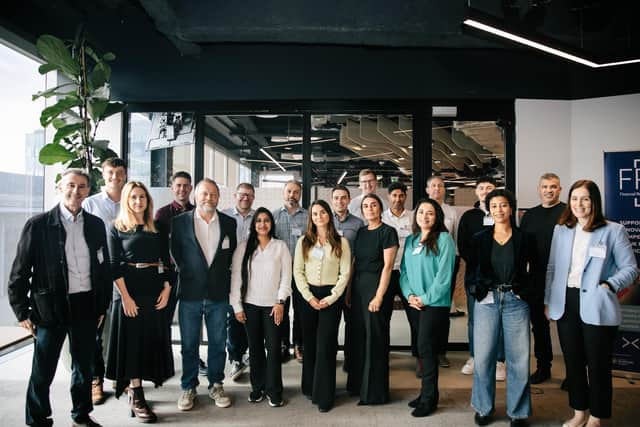

Clare Reid, strategic innovation director at FinTech Scotland, said: “Bringing fintechs, leading firms and the FCA together to solve industry problems in meeting the requirements of regulation has proven a successful way to boost innovation.
“For the four awardees, the funding will accelerate responsible and explainable AI solutions that make a real difference to the businesses adopting them, their customers and the wider economy.”
Professor Eleanor Shaw, associate principal at the University of Strathclyde, added: “The tangible impact of what FRIL participants are building goes beyond the technology. The awarded companies are growing Scotland’s capability in AI, creating roles in AI, data science and RegTech, including opportunities for graduates. This builds on the success of the FRIL programme to date.”
Comments
Want to join the conversation? Please or to comment on this article.